It's May!

“Tra la, its May, that lovely month of May,” to quote Lerner and Loewe, in a line from “Camelot.” It happens to be my favorite month of the year, and one look at my gardens tells me why. The rhodies were in full, glorious bloom and the Japanese maples are now full and lush. The deciduous azalea at my front door stopped me in my tracks each time I left or entered the house with its knock-out yellow color and its heady fragrance. The ferns have leafed out and the hostas are lovely, not yet attacked by slugs. Everything shines in the morning sun and I have lost count of the different shades of green. My spring clematis are blooming and twining their ways along the trellises and into the trees. Who could ask for more?
Well, of course we gardeners are always looking for a new plant to complement our gardens and so I would like to talk about a stunning May bloomer: the California lilac or Ceanothus. Okay, they are named after California, but this is one time we are going to forget about borders and accept them as a native plant for the Pacific Northwest, too, for there are native ones from the Northwest, although they are not quite as pretty as the ones from “south of the border.” Most of the 75 or so varieties on the market have been propagated from the natives.
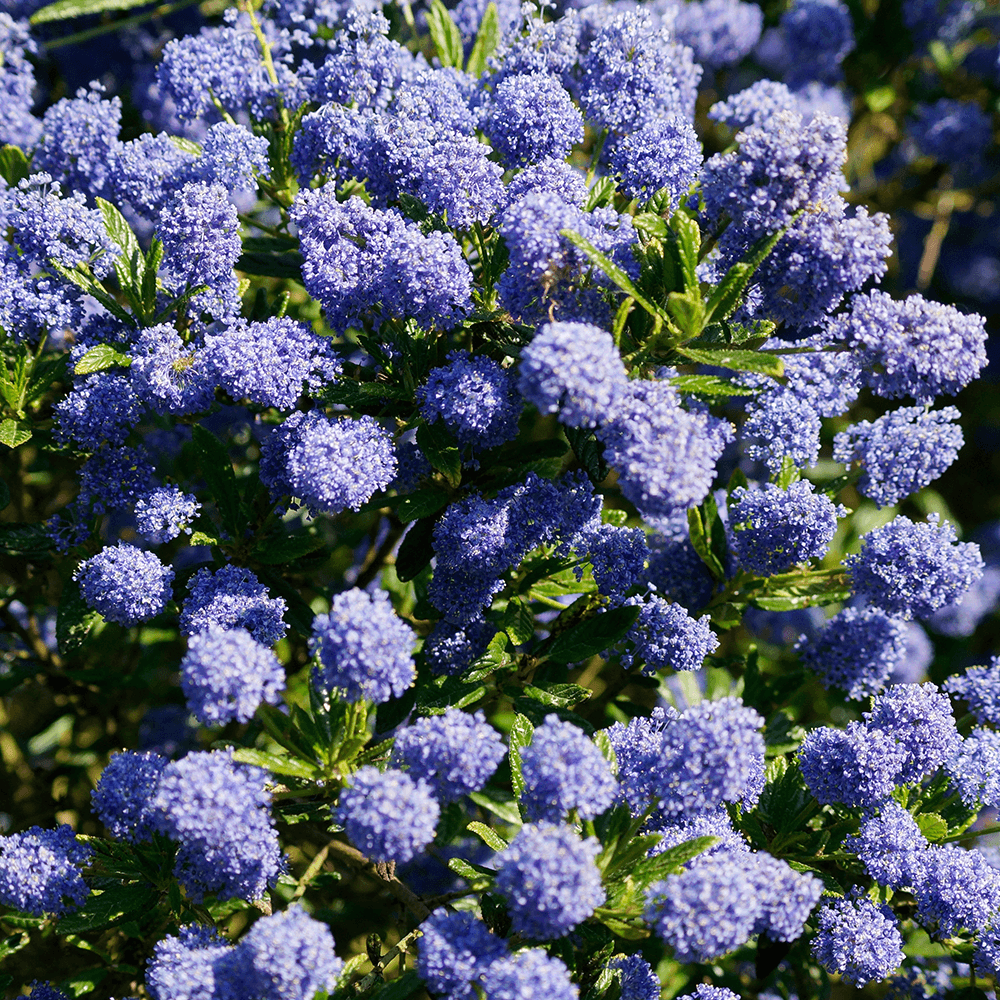
They come in all shapes and sizes, from groundcovers to huge shrubs, and there is one for every size of garden. Most varieties are evergreen, although some may lose some leaves in cold weather. Some varieties are also tolerant of sea spray, making them good coastal plants. Find them in nurseries that specialize in native plants for the best selection.
One groundcover variety, the C. gloriosus or ‘Point Reyes cenaothus,’ does very well on the coast and prefers our cooler temperatures. It is a low-growing plant, topping out at about 18 inches, but grows up to 15 feet wide. The dark green, oval leaves are tough and spiny and the deer generally leave them alone. The light blue flowers bloom in clusters in the spring.
The larger shrub forms of ceanothus can grow from 15 to 30 feet tall, and about this time of year are covered in blue, bottle-shaped flowers. One of my favorites is C. ‘Concha’ which can tolerate summer rains. Its flowers are a deep, dark blue and the evergreen leaves are about an inch long. There are other varieties that bloom in white, and the blue shades run from a very pale blue to almost violet.
All the ceanothus prefer a light, well-drained soil and full sun. The birds, bees and butterflies love the flowers and will cover the blooms in the early morning or evening. Because of the proliferation of bees this shrub will draw, you may want to plant it away from a path or entry to the home. But it would be great near a vegetable garden where the bees would help pollinate the veggies. Deer don’t like ceanothus with smaller leaves, so try to find those if you have a deer population.
As these plants love our climate, their growth may need to be controlled. I have seen them very heavily pruned with no adverse affect, but I wouldn’t recommend too severe a pruning. Wait until the blooms have faded in any case as these plants bloom on the previous year’s growth. Pruning in the fall or winter will result in few blooms next spring. You can also control growth by pinching back tips of the shoots during the growing season.
Ceanothus may sometimes be prone to whitefly or aphid infestations, but these are easily controlled with a horticultural spray labeled for use on ceanothus.
The only drawback to this lovely plant is that they may only live to 15 years and may need to be replaced. Not a bad run for such beauty every May.