Measuring the Soil

A few years ago, I invested in a gardening tool that has come to be invaluable. This tool is generally not even considered when one is gathering tools to work in the garden. Hoes, rakes, trowels, weeders, and even knee pads and garden gloves are higher on most gardeners’ lists. I have found for successful vegetable gardens, a soil thermometer is as important as any other single tool, especially here on the coast.
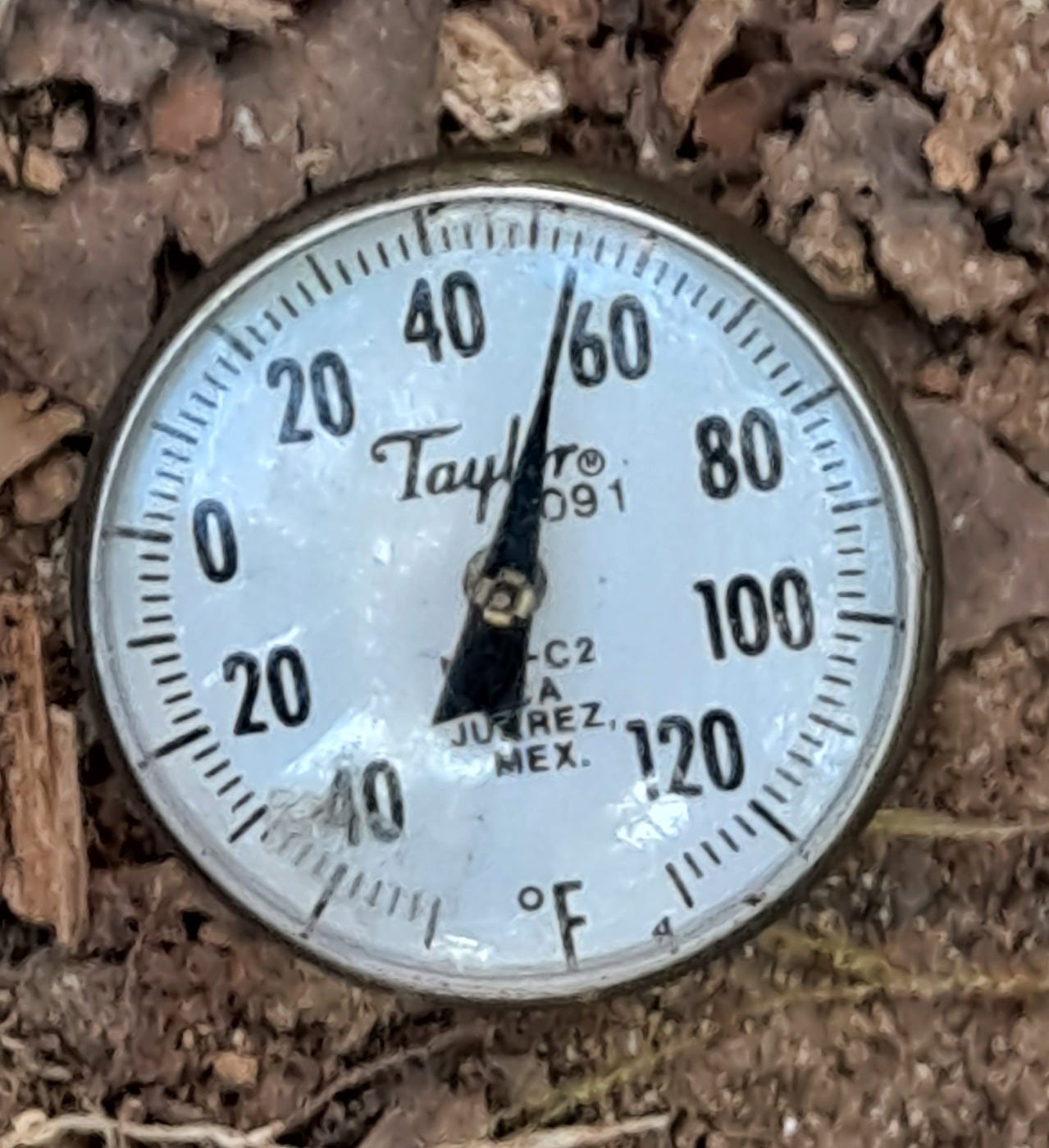
The beauty of this handy tool is that it doesn’t take up much room. When I priced them on-line this week, I could find several for under $10. I haven’t tried to find one locally, but I would imagine one of the local nurseries or feed stores would have them or could order one for you at about the same price.
So why is this so helpful an instrument?
Vegetable success has a lot riding on the ideal temperatures for the selected plants. We all know the air temperature must be a certain range for the veggies to bloom and produce a crop. I have talked about heat units in past columns, usually when I complain about not having enough heat units in my coastal garden to grow a nice tomato. Heat units generally refer to air temperatures.
For each plant there is a minimum, maximum, optimum, and critical air temperature. Nighttime temperatures may be most important for plants like tomatoes, cucumbers, and peppers to set their fruit. To find charts on the required air temperatures, go online to the OSU Extension Service website or call the Tillamook Master Gardener Help Line on Monday or Thursday afternoons (503-842-3433) and ask for these temperatures for the plants you are including in your garden.
But soil temperatures are as critical as air temperatures for plant growth, especially if you are planting vegetable seeds. Seeds will germinate best at soil temps of 70 degrees F.
The roots of vegetables must also be comfortable for the foods in the soil to be taken up by the roots and passed to the stems, leaves and fruiting bodies. If the soil is too cold – under 40 degrees- the nitrogen cycle will be inactive and the plants rely on nitrogen for growth. Nitrogen is most active when soil temperatures reach 80 to 90 degrees, temps we would be lucky to achieve in August, let alone April or May. Which is why our thermometer comes in handy.
The minimum soil temperatures for spinach, radishes, onions and peas is only about 34 to 38 degrees, so these crops – considered “cold weather” crops – can be planted sooner. I would personally wait until the minimum soil temp is 40 degrees for best success on the coast. Tomatoes need between 50 and 55 degrees, peppers require 55 to 60, and corn needs a warm 60 to 65 degrees. This is generally around the end of May, but in such a cold wet spring as we have had this year, it may mean mid-June! Use your soil thermometer and take a reading of the vegetable bed at a two-inch depth at 9:00 AM for seven consecutive days to be sure the temps are warm enough.
Admittedly, this isn’t the sort of tool a gardener who prefers perennials will find useful. Perennials can be planted at almost any time of the season, providing they are well watered and cared for after the fact. But those of us who like flowering annuals will also find a soil thermometer helpful because if the soil is warm enough for tomatoes, it will be warm enough for petunias.
Ten dollars is not a bad investment when it can help us have a more successful vegetable garden in our own back yards.
This is per your usual, an enjoyable read!!!